The Issue
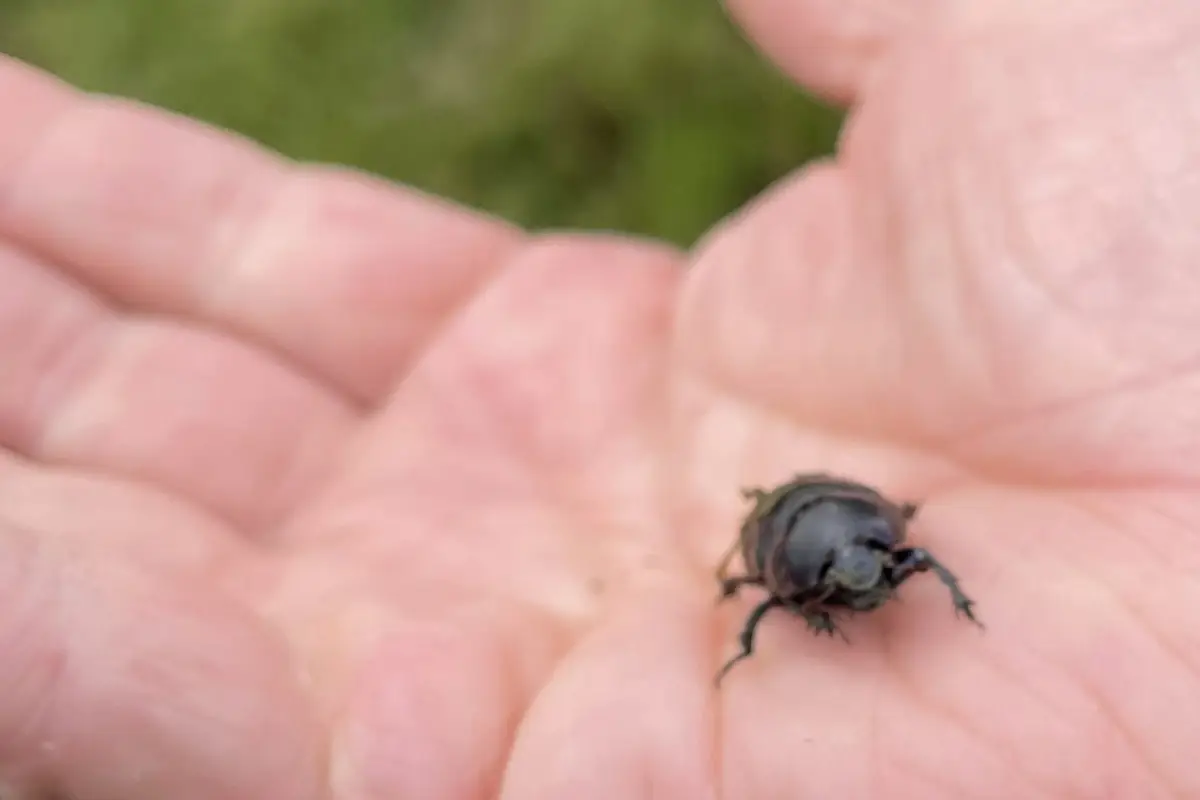
There are around 60 species of dung beetle found in the UK, but almost half of them are now classed as nationally scarce or threatened, largely due to changes in agricultural practices and land management. Modern worming treatments, in particular, can be harmful to dung beetle populations. Despite their important role in soil health, nutrient cycling, and pasture quality, awareness of the benefits of dung beetles and the habitats they need to thrive remains limited within the farming community.
The Response
In partnership with Catchment Sensitive Farming (CSF) and dung beetle expert Sally-Anne Spence, WADER hosted a series of demonstration workshops designed to raise awareness of dung beetles and their importance in farmed landscapes.
The Method
The sessions covered the ecological role of dung beetles in soil health, including nutrient recycling, improved soil fertility, better soil structure and drainage, and reduced sediment and nutrient losses. Participants were supported in identifying dung beetle species, and the workshops highlighted their benefits for pasture condition and muck incorporation. Best practice approaches for more targeted chemical use were shared to help reduce reliance on broad spectrum wormers, alongside alternative parasite control methods such as willow grazing. A dung beetle specialist led the workshops, providing expert guidance to farmers and local advisers, creating a valuable platform for knowledge exchange.
Results
The workshop was successful with 26 local farmers, advisers, and landowners in attendance. Feedback forms provided great responses with all stating they would highly recommend the workshop and that they would put the skills they learnt into practice.
“It was very informative and the speaker was so passionate about the beetles. The day was more interesting than I thought it would be and I have thought about it a lot since.” – local farmer.
After receiving positive feedback, the event was published on CSFs events portal with information on how the workshop was set up so that it can be replicated by other CSF teams. Alongside this, it has been requested for replication through WADER in other areas of the country.