Northumberland’s soils face increasing pressure from nutrient inputs, intensive agricultural practices, sediment runoff, and the growing impacts of climate change. Poor soil condition can lead to the loss of valuable nutrients and sediments into nearby watercourses, contributing to problems such as eutrophication, algal blooms, and declining aquatic biodiversity.
Improving soil health is a key step in protecting both farmland and the wider environment. By enhancing soil structure, increasing organic matter, improving water-holding capacity, and reducing erosion, soils become more resilient and productive. These improvements help reduce nutrient and sediment losses, support better water quality, and create healthier, more sustainable ecosystems.
WADER Land and Water Advisors worked closely with farmers and land managers across the Till and Tweed catchments to assess soil conditions, identify areas of risk, and develop tailored solutions. The project also partnered with Catchment Sensitive Farming, using WADER funding to support additional farm visits within priority target areas, extending project reach and complementing existing advisory work. By promoting sustainable land management practices that reduce erosion, improve nutrient efficiency, increase soil resilience, and protect watercourses, WADER helped address diffuse pollution at source. This collaborative approach supported productive farming businesses while safeguarding Northumberland’s natural environment and enhancing the long-term health of catchment ecosystems.
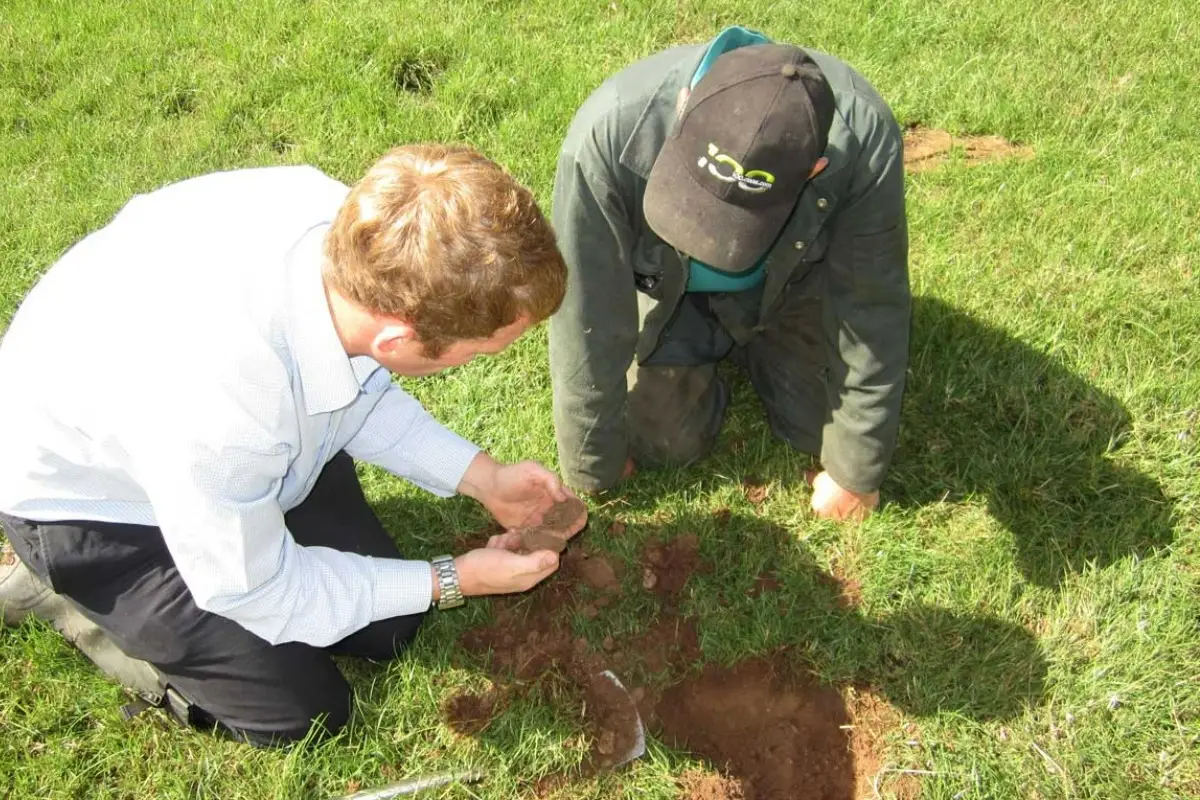
Over the past four years, WADER has delivered a targeted, evidence-based programme to improve soil health across Northumberland. Using Nitrogen Hotspot Mapping, the project identified priority areas where nutrient losses posed the greatest risk to water quality. Selected farms were invited to participate in free environmental appraisals, resulting in seventeen detailed farm walkovers that included soil analysis, water sampling, and tailored management recommendations. Ongoing monitoring has helped track changes in soil condition and build a stronger understanding of soil health across the region. Alongside this work, WADER hosted several soil health workshops, film screenings, and demonstration projects showcasing cover crops, composted farmyard manure, dung beetles, and water quality testing. These activities helped share practical solutions, demonstrate the benefits of improved soil management, highlight farmer experiences from the project, and encourage the wider adoption of best practice across the Till and Tweed catchments.
The project delivered seventeen detailed farm walkovers, providing tailored recommendations that helped farmers identify practical opportunities to improve soil function and reduce environmental risk. Advice focused on measures such as addressing soil compaction to improve rooting and drainage, developing nutrient management plans to make better use of inputs, increasing soil organic matter through organic amendments, and introducing winter cover crops and break crops to enhance soil structure and nutrient cycling. Other recommendations included improving field drainage, establishing buffer strips, and reducing runoff pathways through better field management.
Our collaboration with CSF advisors enabled them to engage with over 80 additional farms within priority areas of the Till and Tweed catchments, broadening the reach of soil and water management advice across the region.