Film captures delivery of major river restoration in Northumberland

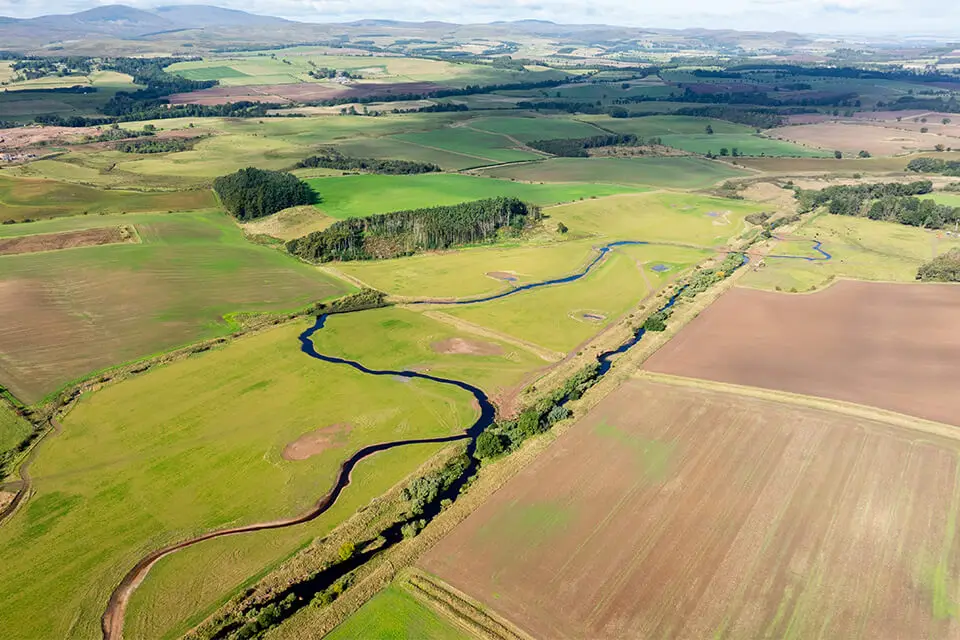
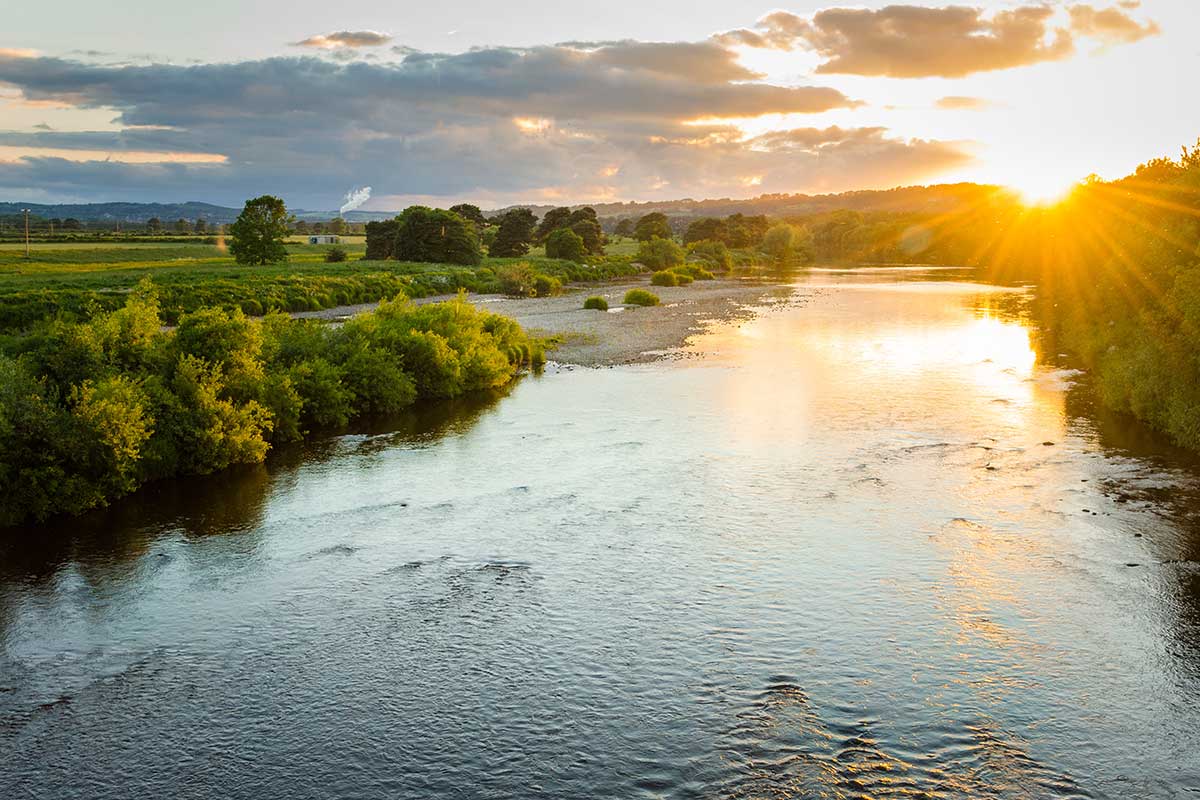
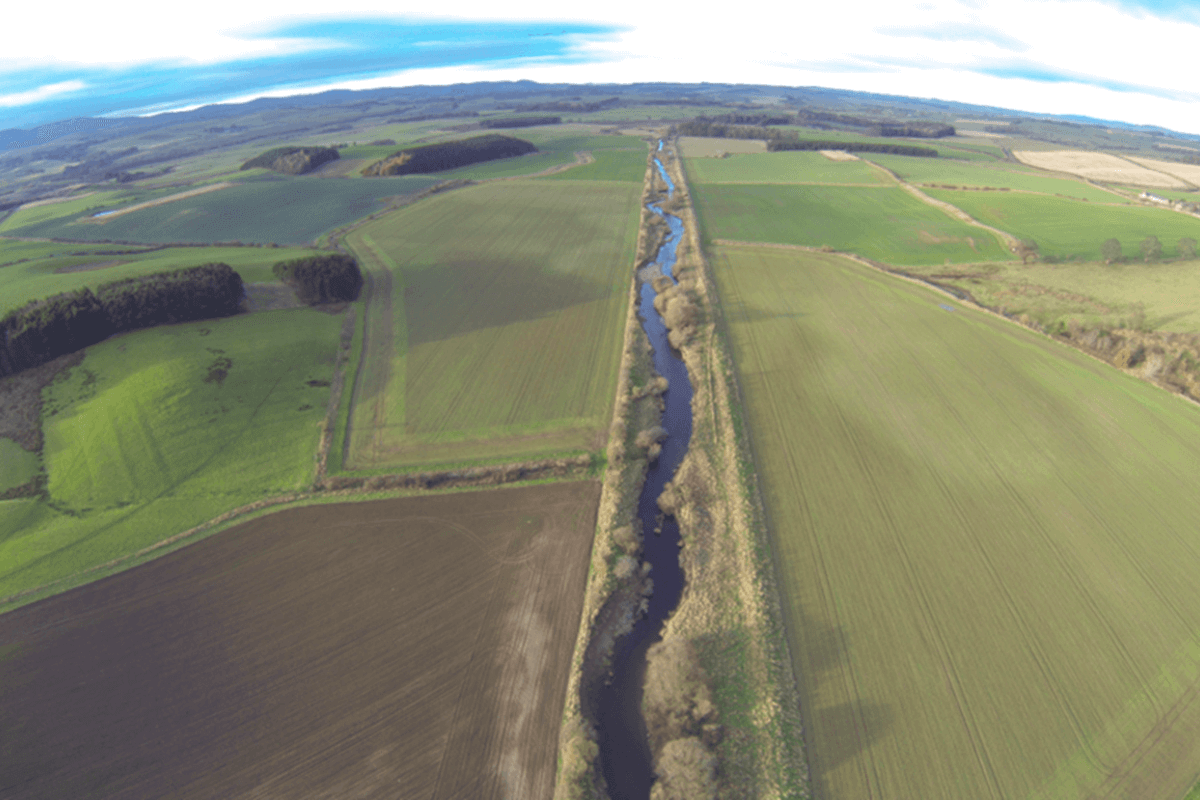
A River Set Free is a ten-minute film that captures the delivery of the river restoration project in the Breamish Valley, Northumberland. Constructed over summer 2025, the project has reconnected the river to its natural floodplain.

The River Till (a tributary of the Tweed) and its main tributaries the Bowmont-Glen, Breamish and Wooler Water are of high conservation and ecological importance (Site of Special Scientific Interest) and SAC (Special Area of Conservation).However, the condition of the river has not been as it should be.

The river Breamish at this site had been historically straightened and modified for agricultural purposes with around a mile of natural river channel lost. Restoration work led by the Environment Agency, delivered by Tweed Forum and funded through the LIFE WADER project in close partnership with the Landowners and contractors Aecom and Ebsford, used minimal intervention to reconnect the river to its natural floodplain creating a more natural and resilient mosaic of habitats, while maintaining viable farmland.


The newly reinstated meandering river system, is already bringing huge benefits for wildlife and ecology as well as inspiring neighbouring landowners. Though this really only the start of the story as Tweed Forum Project Manager Phil Kearney puts it “We’ve done this and then nature will shape it, will do the final finessing itself. We’ve created the rough channel and then we’ll let nature do the rest”.

Restoration at this scale is only possible with the full support of the landowners. In this case what was valuable arable land has been released to become floodplain that will also serve now as grazing pasture for livestock. This is a significant step for the landowners, not a decision taken lightly. The proof will be in how the land and the landowners themselves adapt over the long term.

Watch the film for the full story here: A River Set Free

To read more about the River Restoration work click here.

More Latest News...

Conveyor belt boat

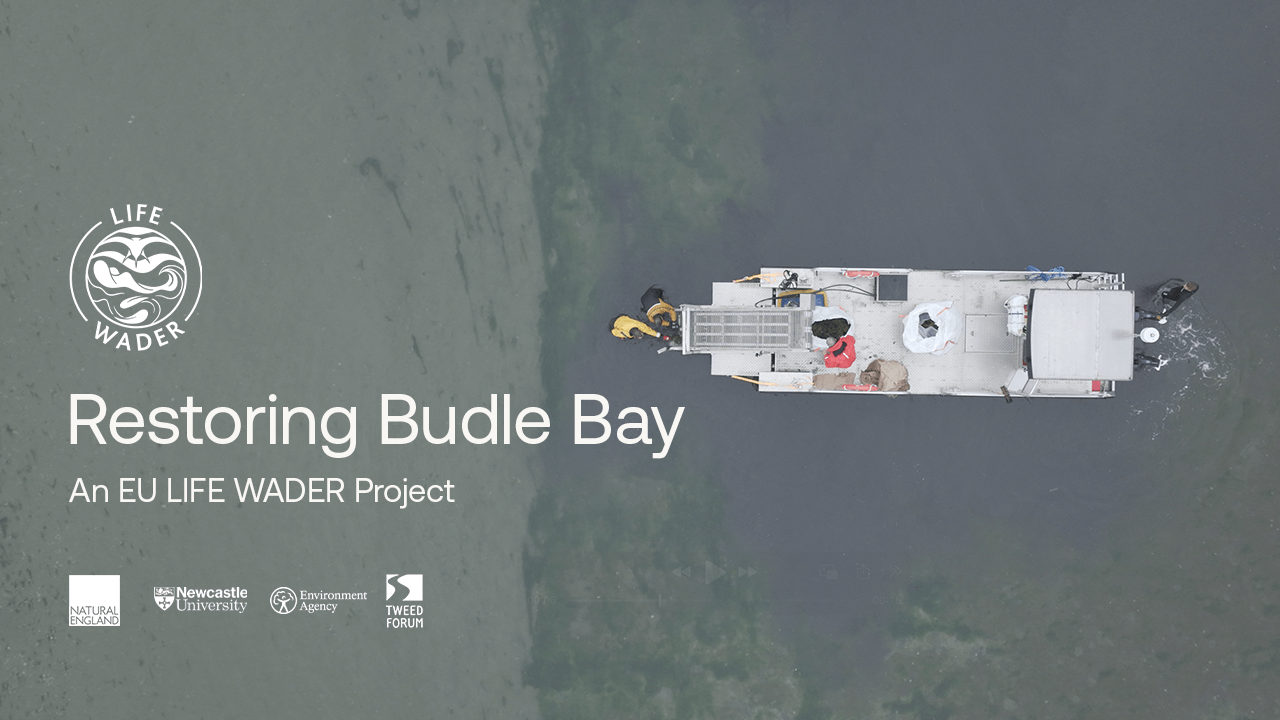
Film Captures Restoration Work in Budle Bay

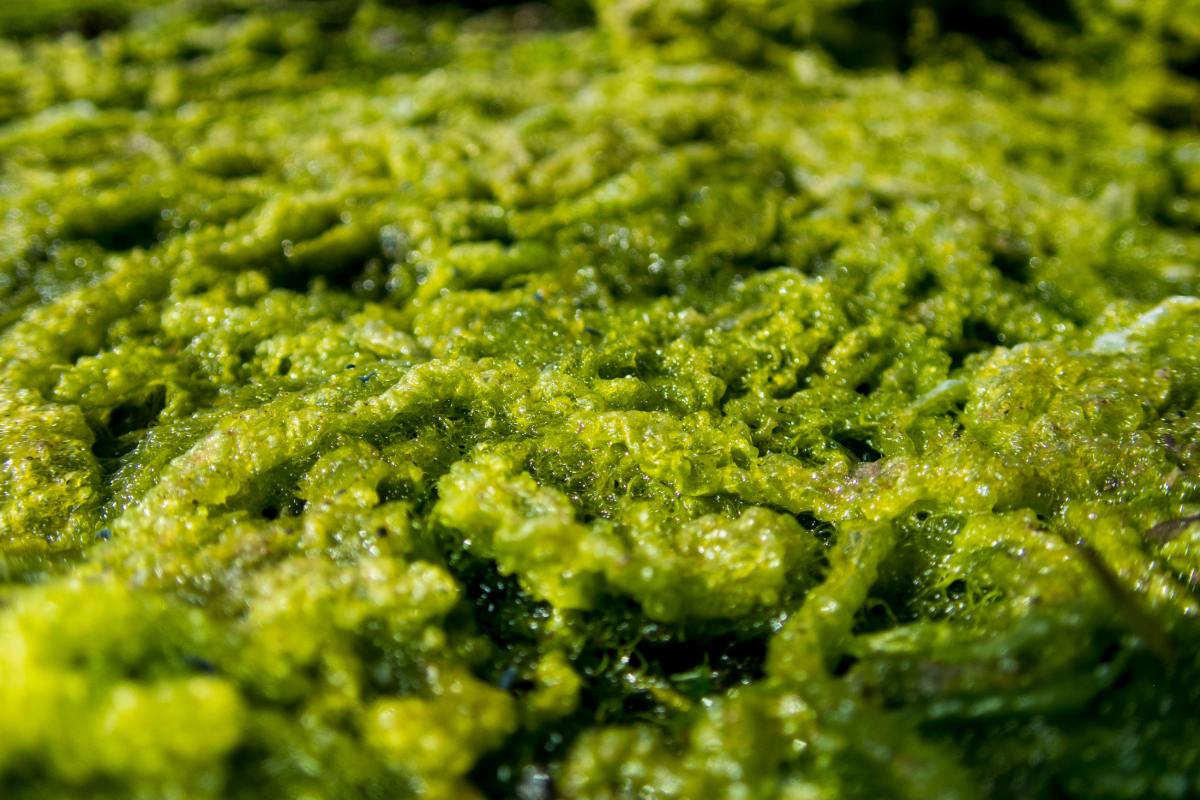
The removal of tonnes of macroalgae from Budle Bay Nature Reserve on the Northumberland Coast has been captured in a short film by the LIFE WADER team. The 4-minute film follows the LIFE WADER team and partners as they trial an innovative, low-impact method of removal.
Read this article

Looking for more information?

Activities

We are tackling five major issues with innovative solutions. This will allow nature to thrive and be resilient from source-to-sea – now and in the future and especially in the context of a changing climate.
Water Quaility Graphic
Macroalgae Graphic
Wildlife Disturbance Graphic
Invasive Species Graphic
Demo Projects Graphic
Wildlife Disturbance Activity
Lindisfarne National Nature Reserve is receiving additional support from the LIFE WADER project to help them in their mission to reduce wildlife disturbance. Find out more about this activity.
Water Quality
WADER is working to improve the water quality of the Tweed catchment with projects such as scientific modelling and planting swatches of trees. Find out more about this activity.
High levels of nitrates in the coastal waters around Lindisfarne National Nature Reserve are causing large mats of algae to form. Find out more about this activity.
Invasive Species
Targeting invasive species across the riparian (riverbank), coastal and marine areas of Northumberland and the Tweed Estuary, WADER is exploring new and innovative non-chemical ways of removing and controlling new and existing invasive species and protecting native species and sensitive habitats from their encroachment. Find out more about this activity.
Demonstration Projects
In addition to our core project work, WADER will also pilot innovative approaches to reduce diffuse pollution, manage invasive species, tackle macroalgae and reduce wildlife disturbance through a series of demonstration activities in partnership with various landowners and stakeholders. Find out more about this activity.