PHOTOGRAPHERS’ CODE
As a wildlife photographer you are valued force for nature conservation. Your good attitude and behaviour will generate the same amongst other photographers and visitors to the reserve.
Avoiding damage and disturbance
Photographers should be familiar with the natural history of their subjects to avoid damaging their interests accidentally. This is especially true of uncommon species and plants. The well-being of the wildlife must, at all times, take precedence over photography.
To fully enjoy the wildlife behaving naturally your presence should not impact on them or their habitats. For example, the use of bait or song tapes to attract birds to the camera is not permitted on the reserve.
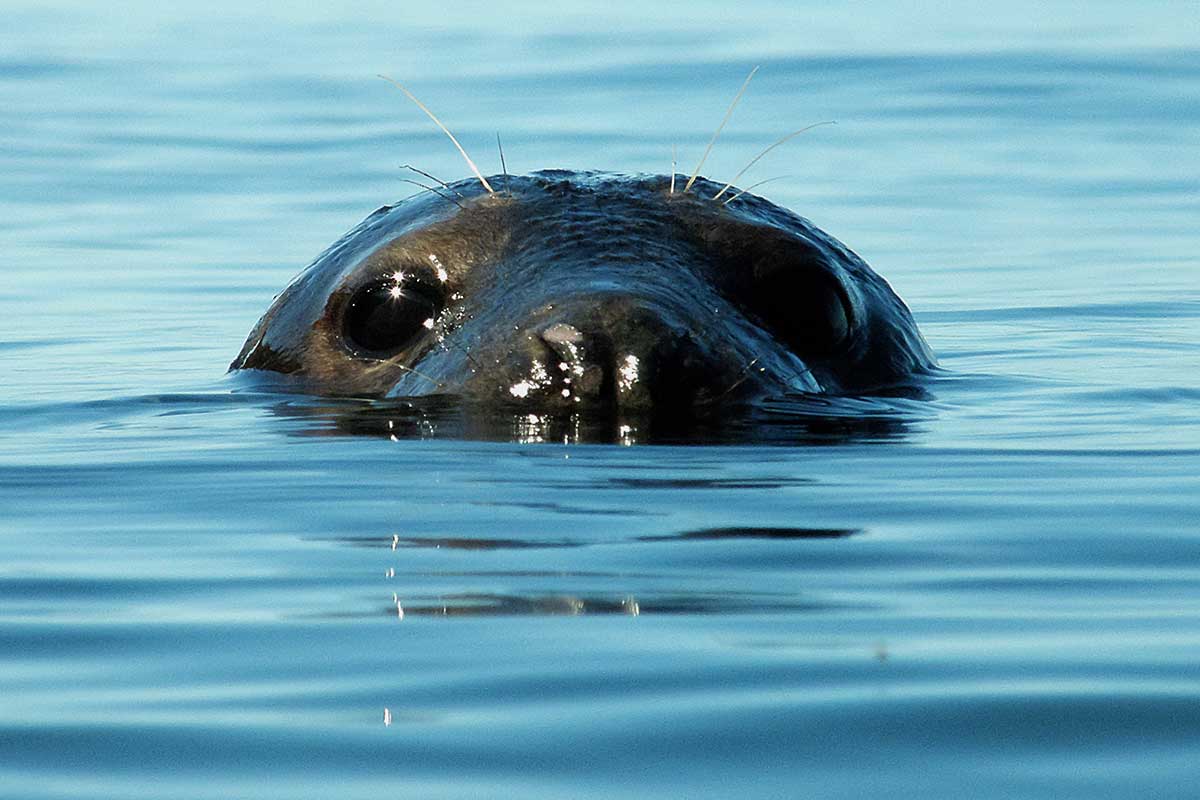
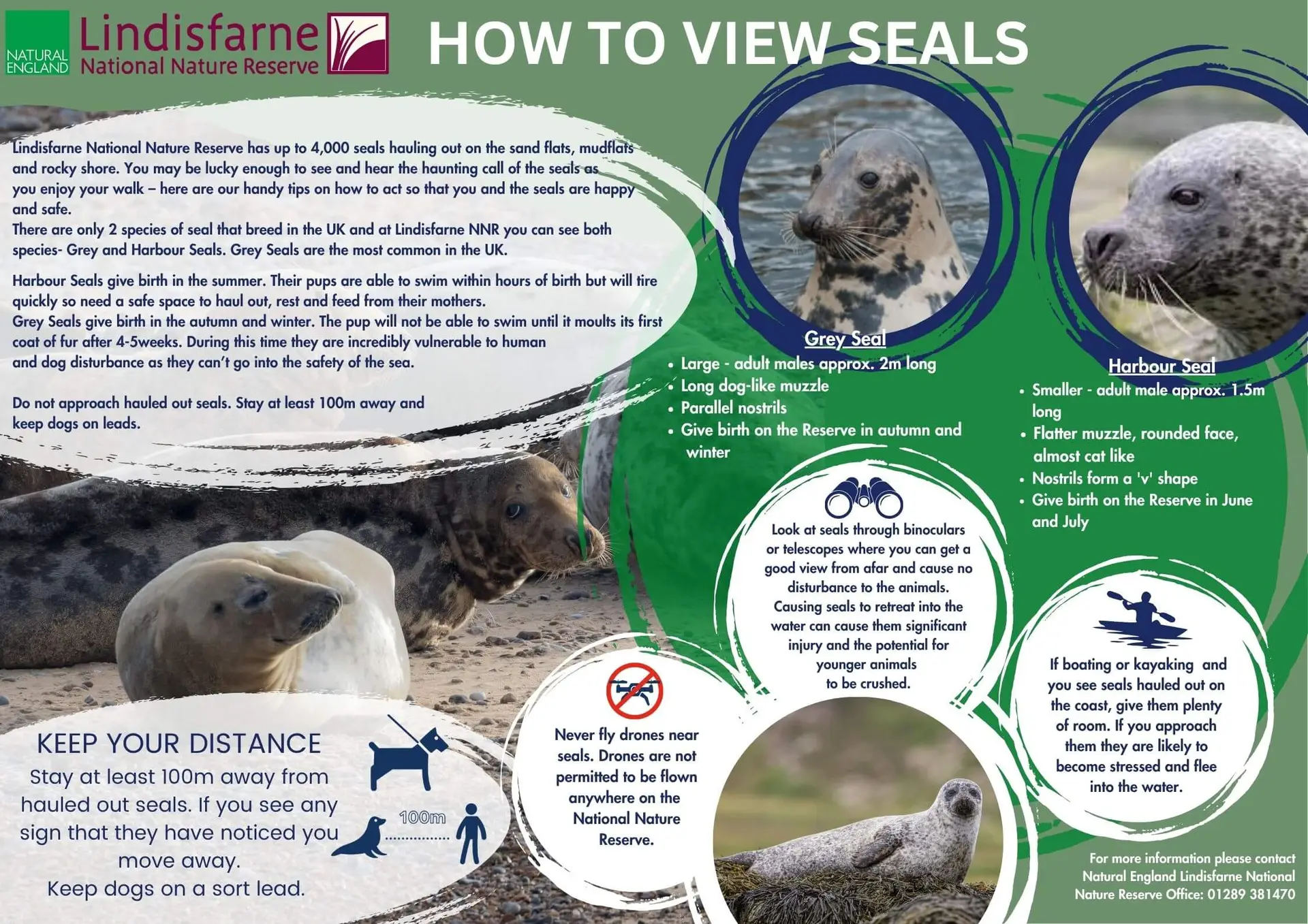
Disturbing wildlife may keep birds away from their nests, leaving chicks hungry and cold or allowing predators to take their eggs or young and may prevent seals from resting or feeding.
During bad weather (rain, snow or exceptionally hot sun) repeated disturbance of birds means they use up vital energy and time needed for feeding which can reduce their chances of survival.
Be aware that the NNR has a number of sensitive habitats which should be avoided e.g. the dune slacks.
Any incidental damage to surrounding vegetation, which may include young plants, must be avoided. When microhabitats (e.g. tree-bark, beach rocks etc.) have been disturbed, they must be restored after photography.
No flora or fauna should be removed from the National Nature Reserve. This includes uprooting or picking plants and any form of capture including the use of butterfly nets.
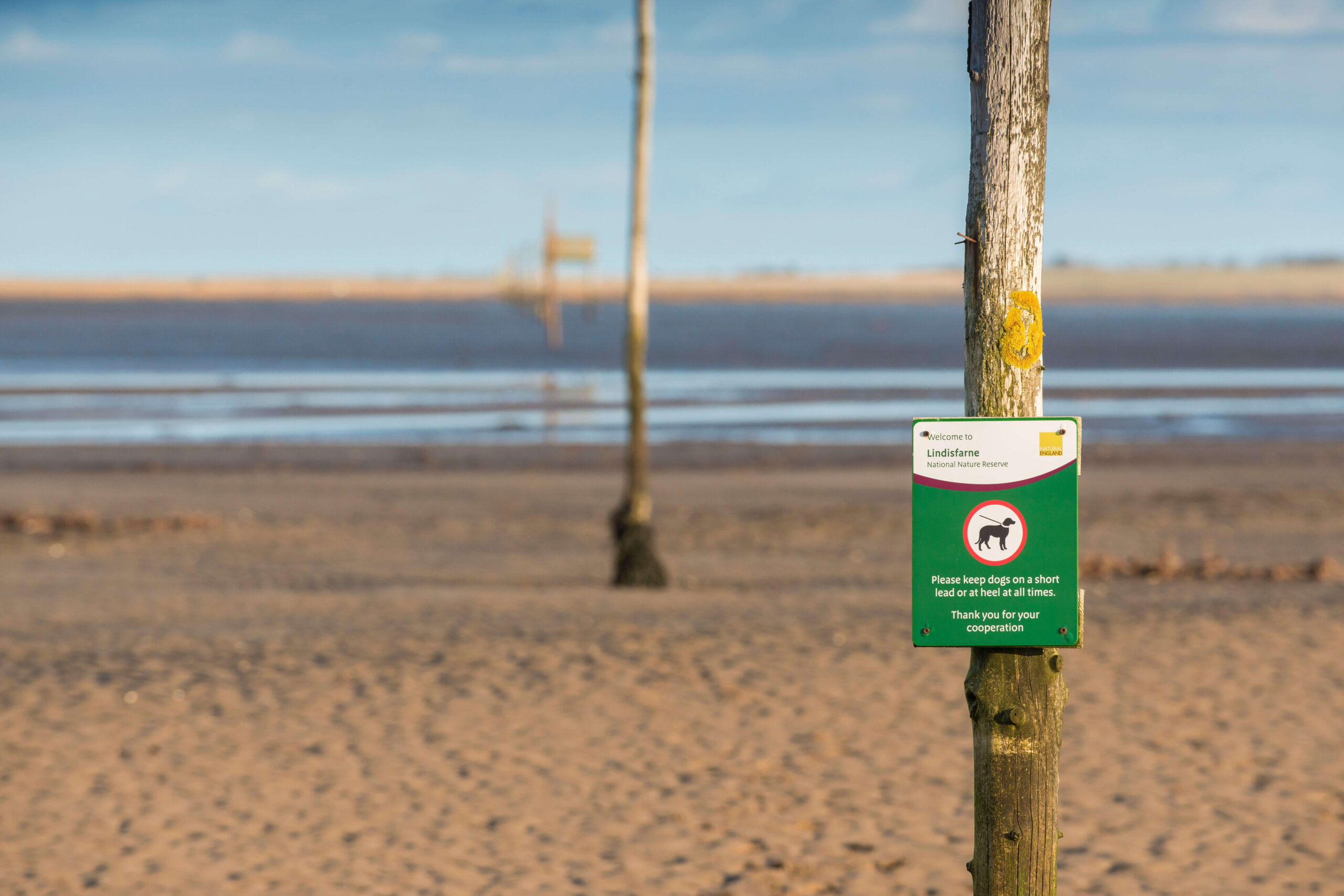
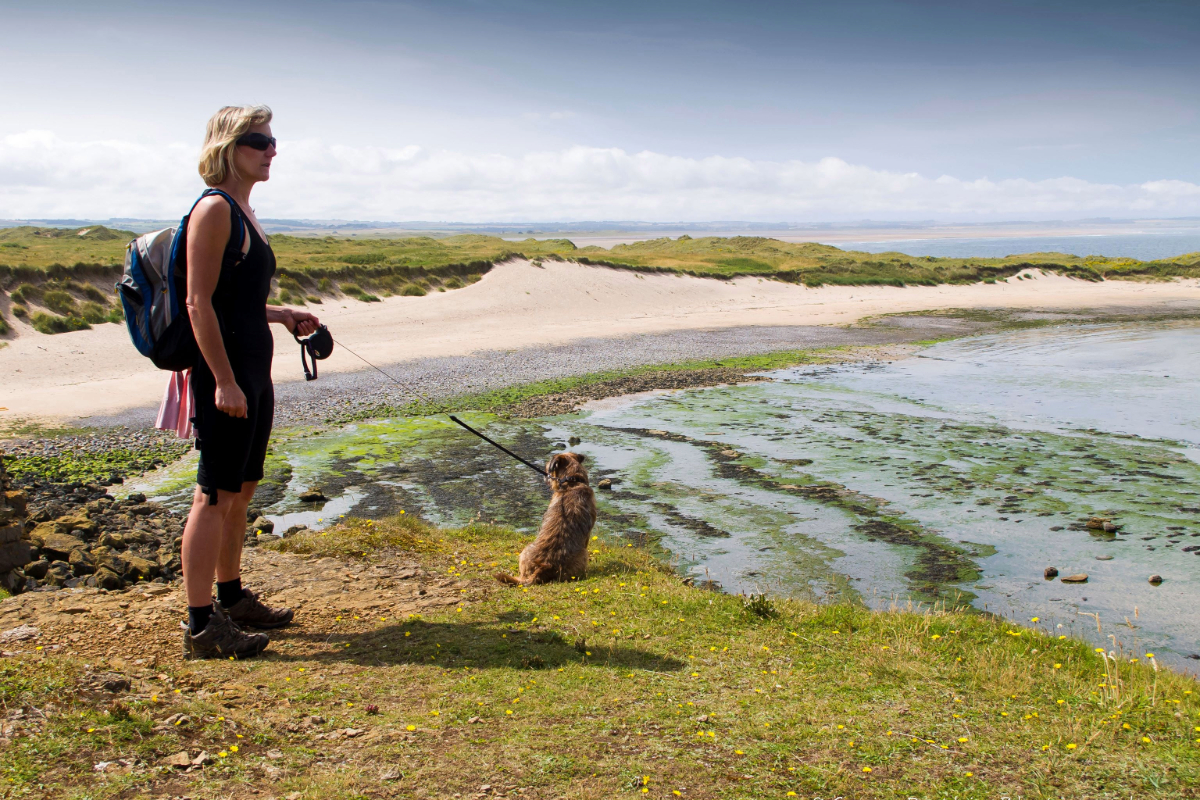
Dogs should be kept on a short fixed lead.
Keeping your distance
Birds flying away, or wildlife making repeated alarm calls, mean that you are too close and if they fly or move away you won’t get a good photograph!
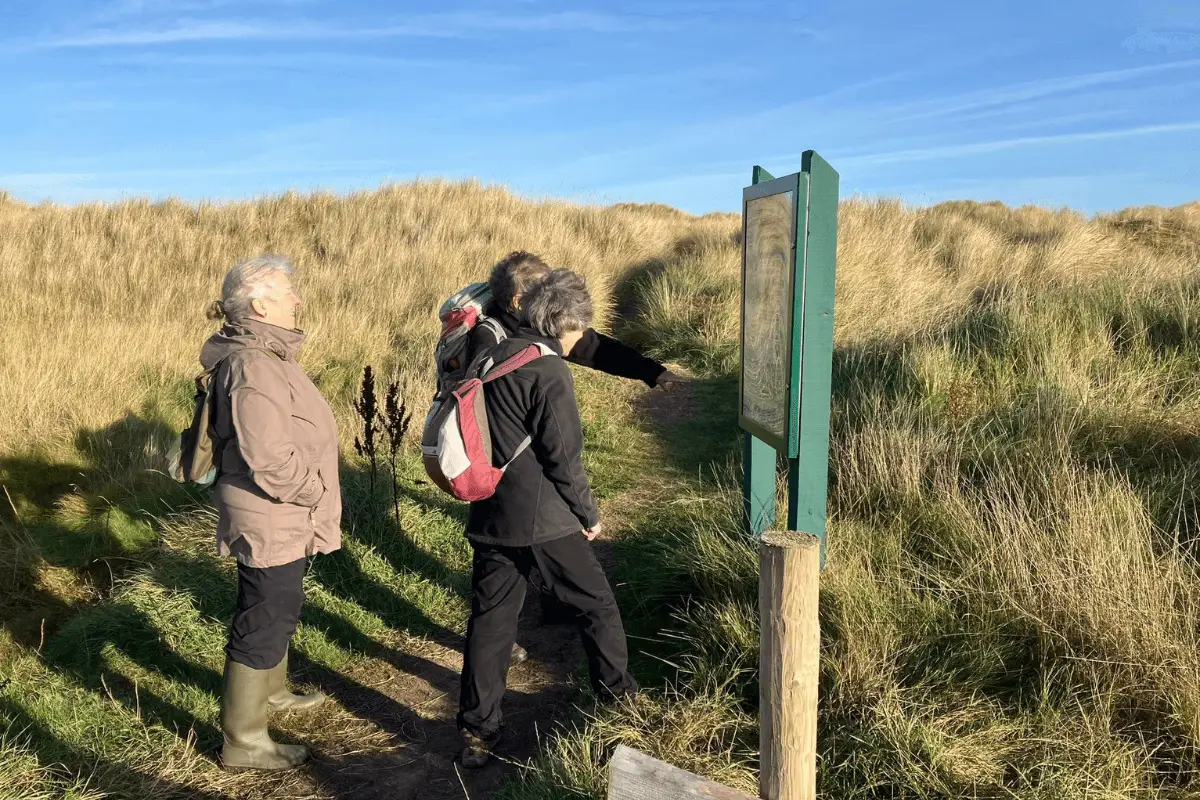
Please stay on roads, paths or desire lines.
Hides offer the best views
Please use the hides – at the Lough on the island, at Fenham-le-Moor and Elwick.
Observing wildlife from within the hides minimises disturbance to the animals and other site users. Optimal views of birds can be achieved by visiting the hides on an incoming tide.
When using the hides, respect other users by keeping noise to a minimum, and not taking up too much space with bulky equipment.
Respect the interests and knowledge of fellow hide users, and freely share your experience and knowledge.
Photos of rare species
If you intend to publish or exhibit an image of a rare species consider the impact of incidentally releasing any information which may indicate its location.
Be aware of the relevant bye-laws (see the back of the signs on the National Nature Reserve). In particular these specify that it is prohibited to;
a) take, molest or intentionally disturb, injure or kill any living creature;
b) take or intentionally destroy eggs, or the place used for the shelter or protection of any living creature.
Any damage to habitat may be illegal on a nature reserve or SSSI, even if the landowner has given permission.
It is an offence to intentionally or recklessly disturb:
a) , a species listed in Schedule 1 of the Wildlife and Countryside Act 1981 while it is building a nest or it is in on or near a nest containing eggs or young;
b) the dependant young of such a bird
c) a notified special interest feature of a Site of Special Scientific Interest (SSSI).
Anything suspicious?
If you see anyone disturbing or damaging either the wildlife or habitat on the reserve, please call the NNR Manager on 01289 381470.
If there is no reply please leave a message, with as much detail about the incident as you can and including a 6-figure map reference if possible.
Click here to download the Photographers Code of Conduct
BIRDWATCHERS’ CODE
As birdwatchers you are a valued force for nature conservation. Your good attitude and behaviour will generate the same amongst other birders and visitors to the reserve. Whether your interest is bird watching or photography the interests of the birds must always come first.
Avoiding disturbance
Bird watching is just that – watching birds, so please do not cause disturbance by activities such as flushing.
To fully enjoy the birds behaving naturally your presence should not impact on them or their habitats. Use of bait or song tapes to attract birds to the camera is not permitted on the reserve.
Disturbing birds may keep them away from their nests, leaving chicks hungry and cold or allowing predators to take their eggs or young.
During bad weather (rain, snow or exceptionally hot sun) repeated disturbance means birds use up vital energy and time needed for feeding which can reduce their chances of survival.
Dogs should be kept on a short fixed lead.
Keeping your distance
Birds flying away, or making repeated alarm calls, means that you are too close and if they fly away you won’t get a good view!
Please stay on roads, paths or desire lines.
Bird hides offer the best views
Please use the bird hides – at the Lough on the island, at Fenham-le-Moor and Elwick.
Observing birdlife from within the hides minimises disturbance to the birds and other site users. Optimal views can be achieved by visiting the hides on an incoming tide.
When using the bird hides, respect other users by keeping noise to a minimum, and not taking up too much space with bulky equipment.
Respect the interests and knowledge of fellow-birders, and freely share your experience and knowledge. Please use the observation books in the hides to record your sightings for others to enjoy.
Personal hides are not allowed on the National Nature Reserve.
Group birding and rare birds
Please keep group sizes small (no more than 6 people) to minimise any impact on the reserve and so that you don’t interfere with other users.
If you see a rare bird consider the impact of sharing this information, in terms of increased visitors, the risks to the bird for example from egg collectors or persecution as well as the risks to other sensitive species on the reserve such as breeding terns, wading birds or rare plants.
On the National Nature Reserve always inform the Site Manager when first sighting a rare bird.
The law
Be aware of the relevant bye-laws (see the back of the signs on the National Nature Reserve), especially those relating to birds and their eggs. In particular these specify that it is prohibited to;
a) take, molest or intentionally disturb, injure or kill any living creature;
b) take or intentionally destroy eggs, or the place used for the shelter or protection of any living creature.
Any damage to habitat may be illegal on a nature reserve or SSSI, even if the landowner has given permission.
It is an offence to intentionally or recklessly disturb:
a) , a species listed in Schedule 1 of the Wildlife and Countryside Act 1981 while it is building a nest or it is in on or near a nest containing eggs or young;
b) the dependant young of such a bird
c) a notified special interest feature of a Site of Special Scientific Interest (SSSI).
Anything suspicious?
If you see anyone disturbing or damaging either the wildlife or habitat on the reserve, please call the NNR Manager on 01289 381470.
If there is no reply please leave a message, with as much detail about the incident as you can and including a 6-figure map reference if possible.
Thank you for your co-operation
For more information please contact the Reserve Office on 01289 381470